About this category
Meet the people behind the label
A wheel of Parmigiano or a bottle of olive oil tells you very little about how it was made. Standing in the dairy at seven in the morning, or beside the press while the new oil runs green, tells you almost everything. Every tour in this category visits working farms, mills and workshops, most of them family businesses, and tastes what they make where they make it.
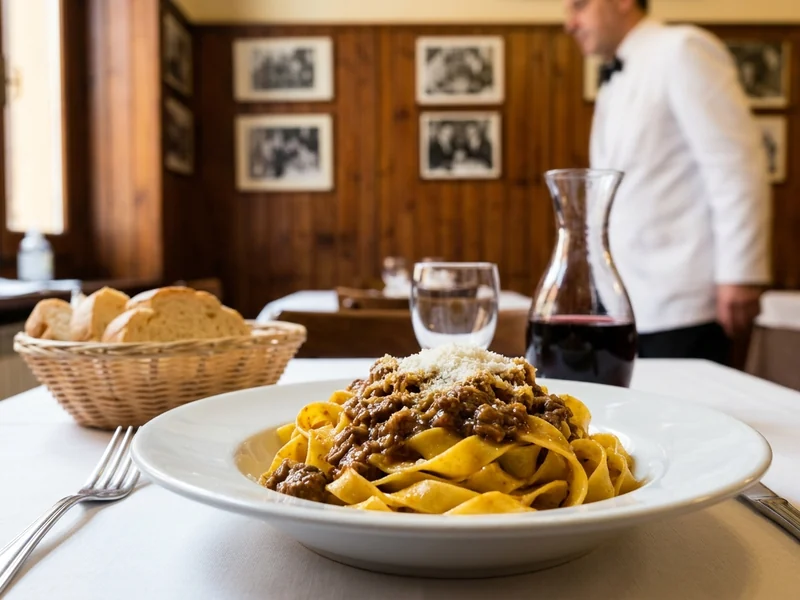
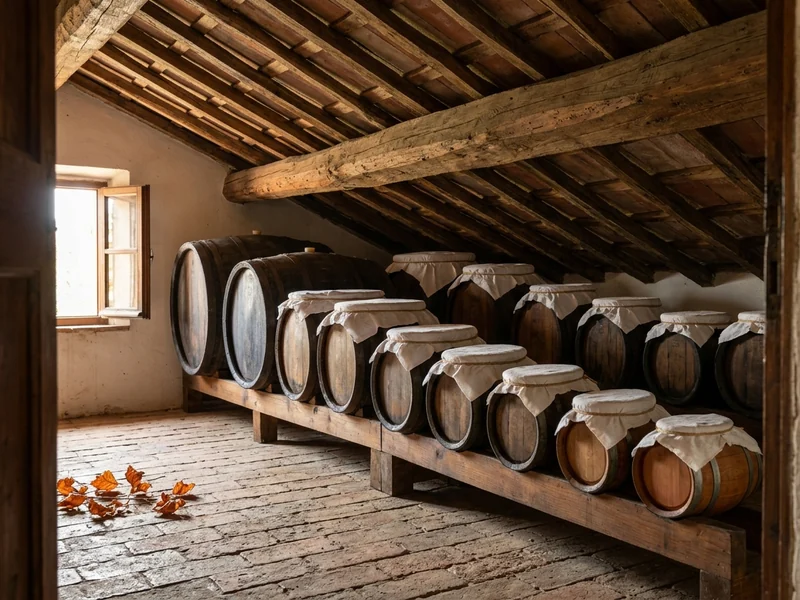
Italy has three. Emilia-Romagna: Parmigiano, Prosciutto and Balsamic is the most producer-heavy trip we run: cheesemakers lifting curd from copper vats near Parma, a family acetaia outside Modena, a Lambrusco cellar and a prosciutto house in Langhirano. Sicily adds a farm in the hills where the shepherd makes fresh ricotta, a chocolate workshop in Modica and pistachio pastries in Bronte. In Tuscany you visit a family olive farm in Chianti and a sheep farm outside Pienza for pecorino aged under walnut leaves.
In Spain, Andalusia: Seville Tapas, Jerez Sherry and Granada watches a cutter carve a whole leg of jamón ibérico, walks a Jerez bodega through the solera and stops at an olive mill near Antequera for new oil on bread. Athens and Crete goes into the villages of Apokoronas for a family olive mill and up to a shepherd’s stone hut in the White Mountains, where graviera and anthotyros are made from the morning’s milk.
Outside Europe, New Orleans and Cajun Country visits a crawfish farm, where the farmer pulls traps from a flooded rice field and the group boils the catch, plus three Cajun meat markets for boudin and cracklins and the Tabasco factory on Avery Island.
November is the month to choose for olive oil: the mills in Tuscany, Andalusia and Crete are pressing, and the new oil is on every table. Wine, sherry and raki come with many visits, poured for guests 18 and over in Europe and 21 and over in Louisiana, always with a non-alcoholic choice.