Tsukiji breakfasts, sushi counters and yokocho izakaya in Tokyo, tofu, kaiseki and Uji matcha in Kyoto, and takoyaki and kushikatsu in Osaka. One ten-day tour by bullet train, with your bags sent ahead and a host who lives in Kyoto.
Tours
1, from $6,490
Places we eat
3
Best months
March to May, October and November
Group size
12 guests at most
Yakitori alley, Tokyo
Overview
Eating in Japan with us
Japanese food is built on precision and season. A bowl of miso soup starts with a dashi of kombu and bonito, a sushi chef judges rice by its temperature, and a Kyoto menu changes as soon as the first bamboo shoots or chestnuts reach the market. It can also be loud and casual: ramen shops with ticket machines, standing bars and skewers fried to order.
Our tour follows the main line west, from Tokyo to Kyoto to Osaka, and eats at both ends of that range. Markets, counters, a kaiseki dinner, a home cooking class and sake from two regions. Aiko Nakamura, who lives in Kyoto, hosts and orders for you, so you can eat where there is no English menu.
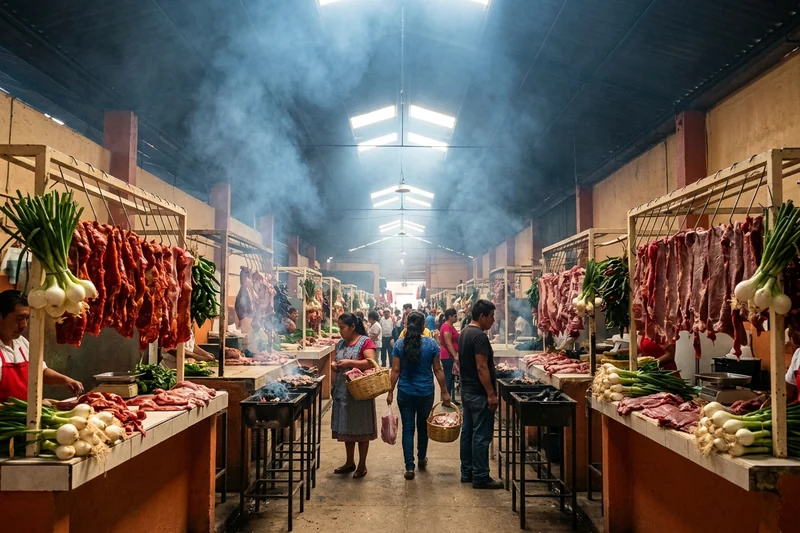
Tokyo eats at every scale, and many of its best counters seat fewer than ten people. The day starts at the Tsukiji outer market, which kept its stalls after the wholesale market moved to Toyosu: tamagoyaki, grilled scallops and tuna over rice. Under the department stores, the depachika food halls sell pickles, wagashi and perfect fruit. Kappabashi is the street for knives and kitchen tools. In the evening, the narrow alleys of Omoide Yokocho in Shinjuku and Nonbei Yokocho in Shibuya are lined with izakaya and yakitori bars of six seats. Our tour spends three nights here.
Kyoto was the imperial capital for a thousand years, and its food is the most refined in Japan. Nishiki market, a covered street about 400 yards long, has sold pickles, tofu, fish and knives for centuries. Kyoto tofu and yuba, the skin lifted from heated soy milk, owe their quality to the soft water under the city, the same water used by the sake brewers of Fushimi to the south. Kaiseki, the formal seasonal meal, grew up here. Twenty minutes south by train, Uji has grown tea for eight hundred years and is the home of matcha. Our tour spends four nights in Kyoto.
Nishiki market with a host who shops there
A kaiseki dinner and fresh yuba
Matcha in Uji and sake in Fushimi
Best monthsLate March to May, October and November
Osaka has a word for its attitude to food: kuidaore, to eat until you drop. It was a merchant city, and its cooking is quick, cheap and filling. Takoyaki, balls of batter with octopus, are turned in iron pans on street corners. Okonomiyaki, a cabbage pancake with pork or seafood, is cooked on a hot plate at your table. In Shinsekai, under Tsutenkaku tower, kushikatsu skewers come fried with a shared pot of sauce that you dip into once, never twice. Kuromon market sells sea urchin, grilled eel and wagyu skewers, and Dotonbori canal lights up at night. Our tour ends here with two nights.
Japan: Tokyo, Kyoto and Osaka is our full program, with three nights in Tokyo, four in Kyoto and two in Osaka, by shinkansen and local train with your suitcases forwarded.
02
Arrive early in Tokyo
Jet lag from the US is heavy. Many guests arrive one or two days early to adjust and see the city; we book the tour hotel at our rate and add the nights.
03
Stay on in Kansai
Osaka is an easy base for Nara, Kobe and Himeji. Aiko can suggest a plan for the extra days and the trains to get there.
What’s included
What our Japan tours include
The tour includes nine nights in central hotels with breakfast, six lunches and six dinners including kaiseki, the market walks and tastings, a home cooking class, matcha in Uji, sake tastings for guests 20 and over, reserved shinkansen seats and local trains, luggage forwarding between cities, airport transfers at group times and Aiko or another host throughout.
Central hotels with breakfast daily on multi-day tours
A host from the first evening to the last morning
The meals, tastings and classes listed on each tour
Transport between stops and airport transfers at group times
Not included: flights to the start city, travel insurance, the meals not listed, tips. Alcohol only for guests 20 and over, the legal drinking age in Japan. Full list
When to go
When to eat in Japan
Spring and fall are the best seasons for a food trip to Japan. Cherry blossoms open in Tokyo and Kyoto in late March or early April, and the cities are full that week. May is green and comfortable. October brings new-crop rice, chestnuts and matsutake, and Kyoto’s maples turn red in mid to late November. The rainy season runs through June and early July, and July and August are hot and humid, with typhoons possible into September. Winter is cold, clear and quieter.
Jan: quieter or off season
Feb: quieter or off season
Mar: best months
Apr: best months
May: best months
Jun: quieter or off season
Jul: quieter or off season
Aug: quieter or off season
Sep: quieter or off season
Oct: best months
Nov: best months
Dec: quieter or off season
Best months
Busy season
Quieter or off season
Before you book
Japan food tour FAQs
Ask Lena directly
Lena Ortiz in reservations replies within one working day, Monday to Friday.
Not for a short tourist stay on a US passport. Your passport should be valid for your whole stay. You can fill in immigration and customs details online before you fly through the Visit Japan Web service, which speeds up arrival.
Is Japan hard for vegetarians?
Harder than it looks, because dashi made with bonito flakes is in most soups and sauces. Kyoto’s temple-style tofu cooking helps, and we ask every kitchen ahead.
How do you handle luggage on the train?
Suitcases go by forwarding service from hotel to hotel and arrive the next day. You travel with a small overnight bag, which makes the stations easy.
What is the drinking age in Japan?
Twenty. Guests 18 and 19 are welcome on the tour and get tea or soft drinks at the sake tastings.
Is it very expensive to eat in Japan?
Less than people fear. Ramen, takoyaki and market food are cheap, and lunch sets at good restaurants cost a fraction of dinner.
Tell us which tour, roughly when and how many of you. Lena Ortiz in reservations replies within one working day with dates, seats, the price and how we can handle any dietary needs.
Lena Ortiz in reservations replies within one working day. No payment now. A $300 deposit per person holds seats on a multi-day tour; day tours are paid when you book.
We use what you send only to answer you and to run your booking. Privacy policy