Parmigiano Reggiano made at dawn, balsamic aging in a Modena attic, hams curing in the Parma hills and tagliatelle you roll yourself in Bologna. A morning class or six days across the region.
Tours
2, from $175
Places we eat
4
Best months
March to June and September to November
Group size
12 guests at most
Parmigiano Reggiano aging room
Overview
Eating in Emilia-Romagna with us
Emilia-Romagna is the flat, rich country between the Po and the Apennines, and a good share of the foods people think of as Italian come from here: Parmigiano Reggiano, Prosciutto di Parma, culatello, mortadella, Aceto Balsamico Tradizionale, Lambrusco and fresh egg pasta. Most of it is still made by families and small cooperatives within an hour of each other along the old Roman road, the Via Emilia.
Our tours start in Bologna, a university city of porticoes and trattorias, and move west through Modena and Parma to the ham hills of Langhirano. Giulia Montanari, who grew up in Bologna, hosts, and the hands-on pasta class is part of every trip.
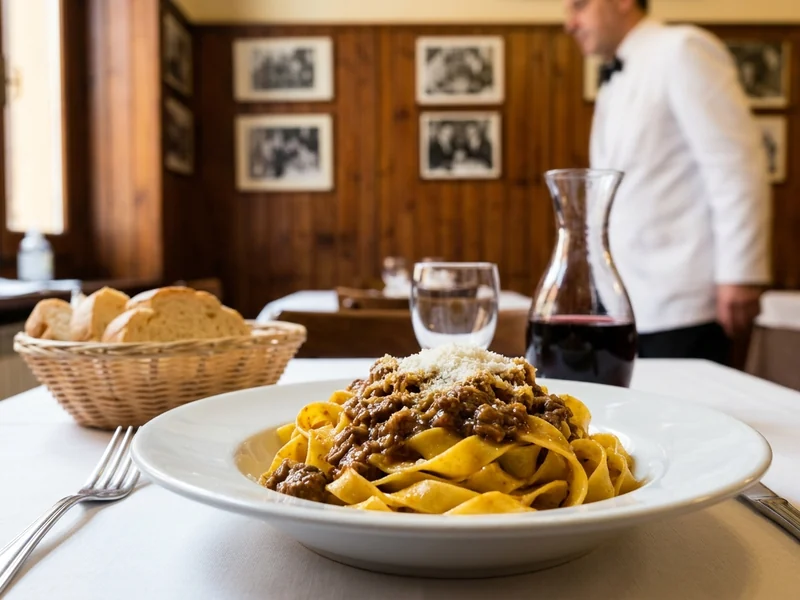
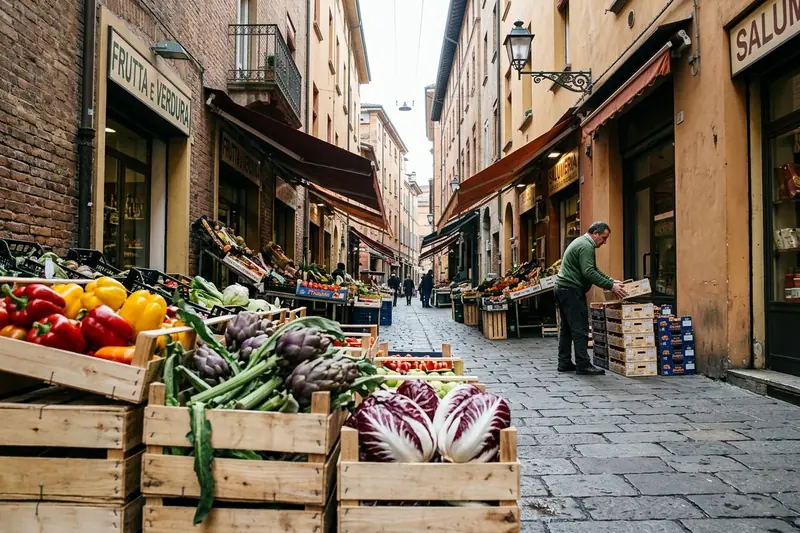
Bologna has three nicknames: la Dotta for its university, the oldest in Europe, la Rossa for its red roofs and politics, and la Grassa, the fat one, for its food. The city invented tagliatelle al ragù, tortellini in brodo and mortadella, and it still eats them every week. The Quadrilatero, the grid of medieval lanes beside Piazza Maggiore, is where people shop: fish and fruit on Via Pescherie Vecchie, salumerie with legs of ham and wheels of cheese on Via Drapperie. Almost forty kilometers of porticoes keep you dry in any weather. Our class and the six-day tour both start here, with a sfoglina showing you how to roll pasta by hand.
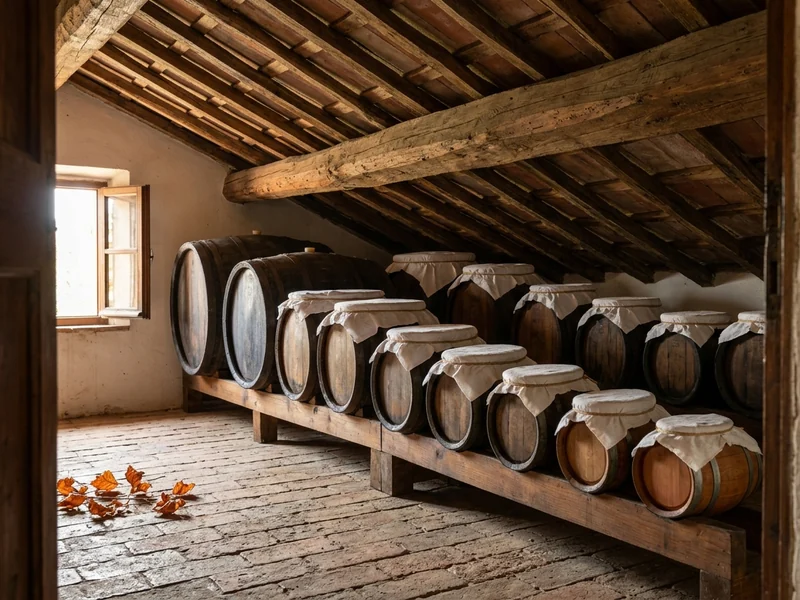
Modena is a quiet, prosperous town of fast cars and slow vinegar. Aceto Balsamico Tradizionale is made from cooked grape must, aged at least twelve years in a row of barrels of different woods, usually in a family attic where summer heat and winter cold do the work. Families still start a set of barrels when a daughter is born. The covered Albinelli market, open since 1931, sells gnocco fritto, Parmigiano and fresh pasta, and the plain around town makes Lambrusco, the dry, purple sparkling red that goes with all of it. Our six-day tour visits a family acetaia, the market and a Lambrusco cellar.
Parma is an elegant, unhurried city with an opera house, a pink marble baptistery and a strong sense of its own food. Anolini in brodo, small stuffed pasta in meat broth, is the local Sunday dish, and torta fritta, fried dough puffs, comes with every plate of salumi. On the plain to the east, dairies make Parmigiano Reggiano every morning of the year from the milk of local cows, curdled in copper vats, salted in brine and aged for at least twelve months. Our tour visits one at cheesemaking time, before the sun is high, and spends two nights in the city.
South of Parma the land rises into low hills along the Parma river, and the dry wind from the Apennines is what makes Prosciutto di Parma possible. Langhirano is the center: its curing houses have long rooms with tall windows that open and close with the weather, and hams rest there for more than a year with nothing but sea salt. Inspectors test each one by smell with a horse-bone needle. Culatello, the prized cut from the heart of the leg, comes from the foggy Bassa along the Po, and we taste it here too. The castle of Torrechiara stands above the vineyards nearby.
The Bologna Pasta Class and Market Walk takes four and a half hours, Monday to Saturday, all year: the Quadrilatero with tastings, then a hands-on class making sfoglia, tagliatelle and tortellini, and lunch of what you made.
02
Six days across the region
Emilia-Romagna: Parmigiano, Prosciutto and Balsamic spends three nights in Bologna and two in Parma, with the pasta class, a dairy at dawn, a Modena acetaia, a Lambrusco cellar and the ham hills of Langhirano.
03
A private trip
Groups of six or more can run the six-day tour on their own dates, add a night in Modena or a day in the Bassa for culatello, or join the class as a private group. Grant Mosley plans private groups.
What’s included
What our Emilia-Romagna tours include
The six-day tour includes central hotels with breakfast, the lunches, dinners, classes and producer visits listed day by day, wine with included meals and Lambrusco tastings for guests 18 and over, the van and airport transfers at group times and Giulia or another host. The class includes every tasting, the hands-on lesson, lunch and a glass of wine.
Central hotels with breakfast daily on multi-day tours
A host from the first evening to the last morning
The meals, tastings and classes listed on each tour
Transport between stops and airport transfers at group times
Not included: flights to the start city, travel insurance, the meals not listed, tips. Alcohol only for guests 18 and over, the legal drinking age in Italy. Full list
When to go
When to eat in Emilia-Romagna
Emilia-Romagna is a year-round food region, but spring and autumn are the best times to travel. April to June brings mild weather and green hills, and September and October bring the grape harvest, Lambrusco pressing and the first new wine. November is foggy on the plain and very good for broth, tortellini and truffles from the hills. July and August are hot and humid, and many shops and restaurants close for two weeks around the middle of August, so we do not run the six-day tour then.
Jan: quieter or off season
Feb: quieter or off season
Mar: best months
Apr: best months
May: best months
Jun: best months
Jul: quieter or off season
Aug: quieter or off season
Sep: best months
Oct: best months
Nov: best months
Dec: quieter or off season
Best months
Busy season
Quieter or off season
Before you book
Emilia-Romagna food tour FAQs
Ask Lena directly
Lena Ortiz in reservations replies within one working day, Monday to Friday.
Dairies make cheese every morning of the year, Christmas included, but only early. The vats are usually empty by ten, so our visit starts around seven.
Is it easy to get here from Florence or Milan?
Yes. Fast trains reach Bologna from Florence in under forty minutes and from Milan in about an hour. Our Tuscany tour makes a natural second week.
Is Emilia-Romagna good for vegetarians?
Better than its ham reputation. There are ricotta and herb tortelloni, pumpkin cappellacci and vegetable dishes everywhere. Parmigiano is made with animal rennet, which matters to some guests.
Are drinks included?
Wine with included meals and the Lambrusco tasting, for guests 18 and over, with a non-alcoholic option at every stop.
Tell us which tour, roughly when and how many of you. Lena Ortiz in reservations replies within one working day with dates, seats, the price and how we can handle any dietary needs.
Lena Ortiz in reservations replies within one working day. No payment now. A $300 deposit per person holds seats on a multi-day tour; day tours are paid when you book.
We use what you send only to answer you and to run your booking. Privacy policy