New Orleans food tours: Creole kitchens and Cajun country
Gumbo, po’boys and pralines in the French Quarter, a roux you stir yourself, and two and a half hours west, the boudin counters and crawfish ponds of Cajun Country. Two tours and a free walk to start, from a morning in the Quarter to six days.
Tours
2, from $145
Places we eat
4
Best months
October to May
Group size
12 guests at most
New Orleans, the French Quarter
Overview
Eating in New Orleans with us
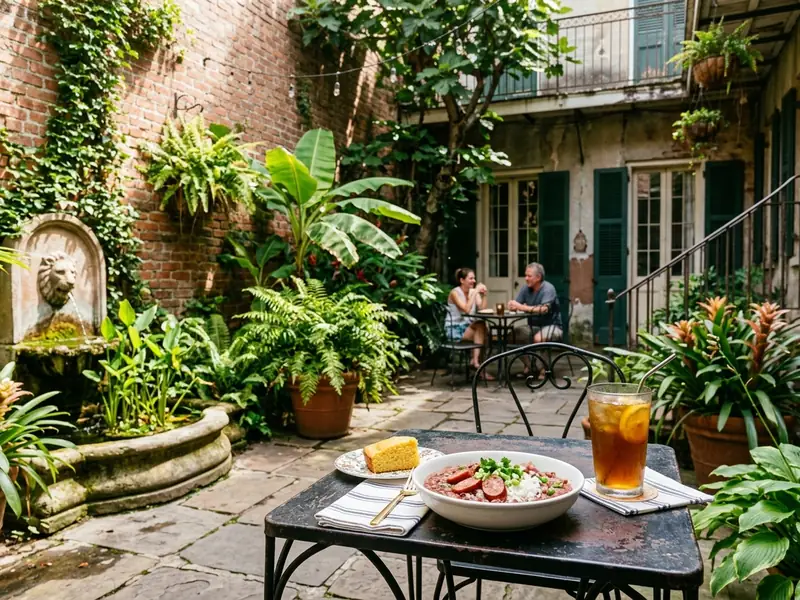
New Orleans has the strongest food identity of any American city, and it is not one cuisine but two. Creole cooking came out of the city’s kitchens: French technique, Spanish and Caribbean spice, African hands, Italian grocers. Cajun cooking is country food from the prairies and bayous to the west, made by the descendants of French Acadians with rice, pork, smoke and crawfish.
Our tours start in the French Quarter, where some counters have been open for more than a century, and move out to Tremé, Uptown and, on the longer trip, to Lafayette, Breaux Bridge and Avery Island. Remy Thibodeaux, who grew up in Breaux Bridge, hosts.
The Quarter is thirteen blocks by seven and you can eat your way across it in a morning. Our walks start with chicory coffee and beignets near Jackson Square, take in a muffuletta from an Italian grocery on Decatur Street, Gulf oysters on Bienville, a cup of dark gumbo and a praline poured in a Royal Street window. The French Market at the river end has been a market since 1791. Mornings are the time to come: by mid-afternoon the crowds and the heat build, and the locals have already eaten. In the evening, music spills out of Frenchmen Street, just past the Quarter’s eastern edge.
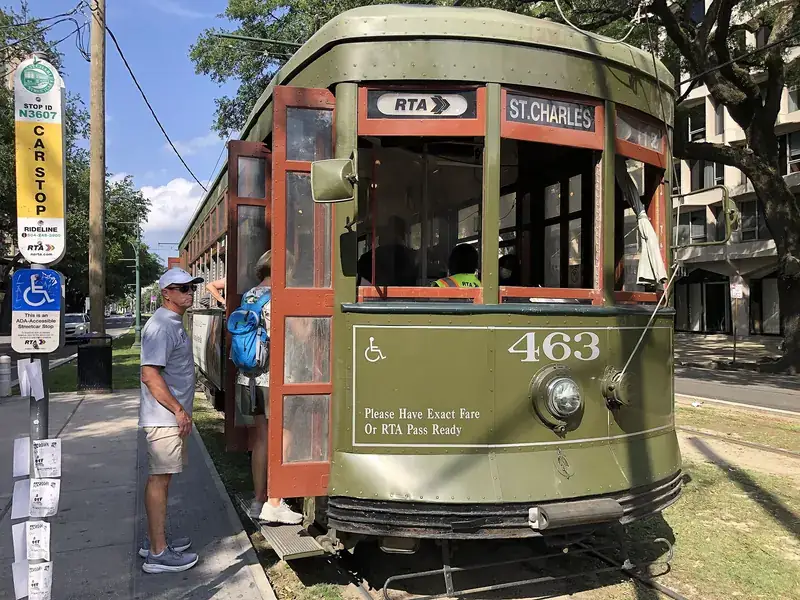
The St. Charles streetcar, running since 1835, carries you out under the oaks to the Garden District and Uptown. This is where New Orleans families eat: roast beef po’boys with debris gravy at neighborhood shops, snoballs in summer, and long Sunday jazz brunches in old dining rooms with turtle soup and bananas Foster. Magazine Street runs parallel to the river for six miles of bakeries, coffee shops and restaurants. Our six-day tour rides the streetcar out here for dinner on Magazine Street after the cooking class, and guests with a free Sunday can stay on for a jazz brunch.
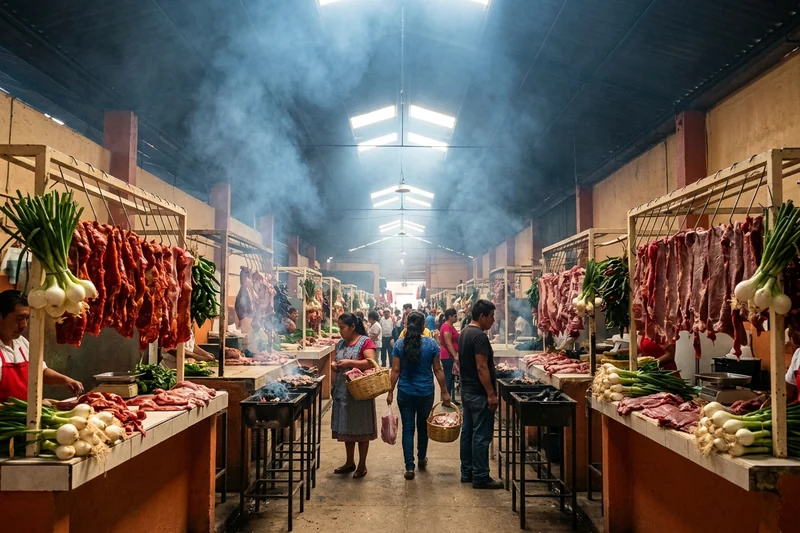
Two and a half hours west, over the long bridge across the Atchafalaya Basin, is the heart of Cajun Country. Lafayette and the small town of Breaux Bridge, the self-styled crawfish capital of the world, eat differently from New Orleans. Breakfast is boudin, a pork and rice sausage, with cracklins from a meat market. Lunch is a plate lunch of smothered pork chops, rice and gravy. In spring the crawfish come from flooded rice fields, and on Saturday mornings a Breaux Bridge café serves breakfast with a live zydeco band. Our six-day tour spends two nights here.
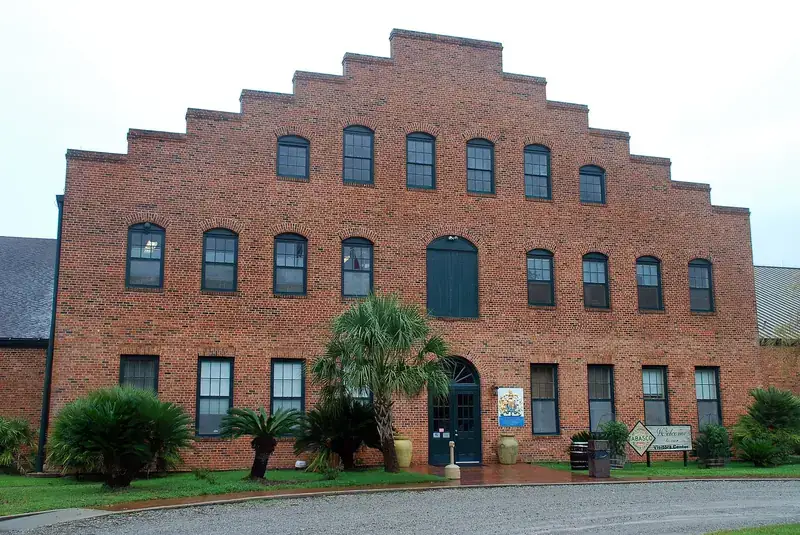
Avery Island is not really an island but a salt dome rising out of the marsh south of New Iberia, and since 1868 it has been home to Tabasco pepper sauce. The visit takes in the factory, where mash ages in white oak barrels for up to three years, the pepper greenhouses and a tasting of sauces you will not find in a supermarket. Next door are the Jungle Gardens, 170 acres of live oaks, azaleas and a heron rookery called Bird City, best in spring. It is a short drive from Lafayette and the last afternoon of our six-day tour.
The French Quarter Food Walk is three and a half hours and six tastings, Thursday to Saturday, all year. It is the right choice if you have one free morning in the city, or want to learn the classics before you explore on your own.
02
A walk before the tour
Arrive a day early for the six-day tour and the French Quarter Food Walk is on the house. You meet Remy, learn the classics on your first morning and start day 1 already knowing your way around the Quarter and its counters.
03
City and country
New Orleans and Cajun Country is six days: three in the city with the class and the walks, then Lafayette, Breaux Bridge, a crawfish boil and Avery Island. The full picture of Louisiana food.
What’s included
What our New Orleans tours include
Multi-day tours include hotels in the French Quarter and Lafayette with breakfast, the tastings, classes and meals listed day by day, transport between Louisiana stops, airport transfers at group times and Remy or another local host throughout. The food walk includes every tasting, one drink and a praline to take home.
Central hotels with breakfast daily on multi-day tours
A host from the first evening to the last morning
The meals, tastings and classes listed on each tour
Transport between stops and airport transfers at group times
Not included: flights to the start city, travel insurance, the meals not listed, tips. Alcohol only for guests 21 and over, the legal drinking age in the USA. Full list
When to go
When to eat in New Orleans
New Orleans eats well all year, but visiting is most comfortable from October to May. Crawfish season runs from about January to June and peaks in March and April, which is also when the weather is mild and the azaleas bloom on Avery Island. Oysters are best in the cooler months. Summer is hot and humid, and some restaurants shorten hours in August. Mardi Gras, in February or early March, fills every hotel; we avoid that weekend.
Jan: best months
Feb: busy season
Mar: best months
Apr: best months
May: best months
Jun: quieter or off season
Jul: quieter or off season
Aug: quieter or off season
Sep: quieter or off season
Oct: best months
Nov: best months
Dec: best months
Best months
Busy season
Quieter or off season
Before you book
New Orleans food tour FAQs
Ask Lena directly
Lena Ortiz in reservations replies within one working day, Monday to Friday.
What is the difference between Creole and Cajun food?
Creole is the city cooking of New Orleans, with butter, cream and tomatoes. Cajun is country cooking from Acadiana, smokier and spicier, built on rice and pork. Our six-day tour tastes both.
Is crawfish available all year?
No. Live crawfish season runs from about January to June. On fall departures the boil becomes a shrimp and crab boil.
Can I join a walk the day I arrive?
Yes, if your flight lands by about 9 am. The French Quarter Food Walk starts in the late morning.
Do your tours avoid Mardi Gras?
Yes. We do not run multi-day tours over Mardi Gras weekend, when hotels triple their prices and the Quarter is packed.
Is New Orleans good for vegetarians?
Better than its reputation. Red beans can be made without meat, and we plan vegetarian gumbo z’herbes and other dishes with the kitchens in advance.
Are drinks included?
One cocktail on the walk and wine or beer with the included dinners, for guests 21 and over. Every stop has a non-alcoholic option.
Tell us which tour, roughly when and how many of you. Lena Ortiz in reservations replies within one working day with dates, seats, the price and how we can handle any dietary needs.
Lena Ortiz in reservations replies within one working day. No payment now. A $300 deposit per person holds seats on a multi-day tour; day tours are paid when you book.
We use what you send only to answer you and to run your booking. Privacy policy