
Food guides · Emilia-Romagna
Parmigiano Reggiano, prosciutto and balsamic labels explained
I grew up in Bologna, an hour from Modena and Parma, where people argue about cheese ages the way others argue about football. Here is what the marks on the rind, the ham and the bottle mean.
By Giulia Montanari, Host, Emilia-Romagna
· 5 min read
Piazza Garibaldi, Parma Photo: Forkful Field Trips, Original image
Emilia-Romagna makes three of the most copied foods in the world, and each is protected by a DOP, the European Protected Designation of Origin: made in a defined area, to written rules, checked by an inspector. Once you can read the marks, you can shop in Bologna or Parma like a local, and you will spot the imitations at home.
Parmigiano Reggiano: what the rind tells you
Real Parmigiano Reggiano comes only from the provinces of Parma, Reggio Emilia and Modena, plus Bologna west of the Reno river and Mantua south of the Po. It is made from raw cow’s milk, rennet and salt, nothing else: no additives, no preservatives, and the cows eat local hay and forage, never silage. Every morning the dairies heat the milk in copper vats, break the curd into grains the size of rice and lift it out in linen cloths, enough for two wheels of about 40 kilos each.
The rind is the label. Look for the pin-dot lettering “Parmigiano Reggiano” around the side, with the dairy’s number and the month and year it was made. At 12 months an inspector taps every wheel with a small hammer, and the wheels that pass receive an oval fire brand. Wheels with defects have their dotted lettering scored off and are sold without the name.
How old should your Parmigiano be
Twelve months is the legal minimum, but most cheese is sold older, and the age changes everything. Prepacked pieces often carry a colored seal from the Consorzio: red for over 18 months, silver for over 22 and gold for over 30. At a counter you simply ask how many months.
- 12 to 18 months: soft and milky, with notes of yogurt and fresh grass. Good in chunks or shaved over a salad.
- 22 to 24 months: the classic. Crumbly and balanced, with small white crystals. Use it for everything, including tortellini in brodo.
- 30 to 36 months: drier and nuttier, with a spicy finish. Eat it on its own with a few drops of traditional balsamic.
- 40 months and over: intense and sharp, for people who already love the cheese.
Aged Parmigiano is naturally almost free of lactose, and the crystals that crunch between your teeth are amino acids, a sign of age, not salt.

Prosciutto di Parma: the crown and the calendar
Prosciutto di Parma is made in the hills south of Parma, between the Enza and Stirone rivers, and the heart of it is Langhirano. The rules are short: legs of heavy pigs born and raised in eleven regions of northern and central Italy, sea salt, air and time. No nitrates, no smoke, no spices. The hams cure for at least 12 months from salting, most for 16 to 24, in long halls whose windows are opened and closed to let the dry wind off the Apennines through.
The mark to look for is the five-pointed ducal crown, branded on the skin of every approved ham. When you buy it sliced, the crown appears on the pack, or the shop will show you the ham it came from. Ask for the age in months, and ask for it sliced thin, by machine, with the fat left on. The fat is sweet, and much of the flavor lives there.
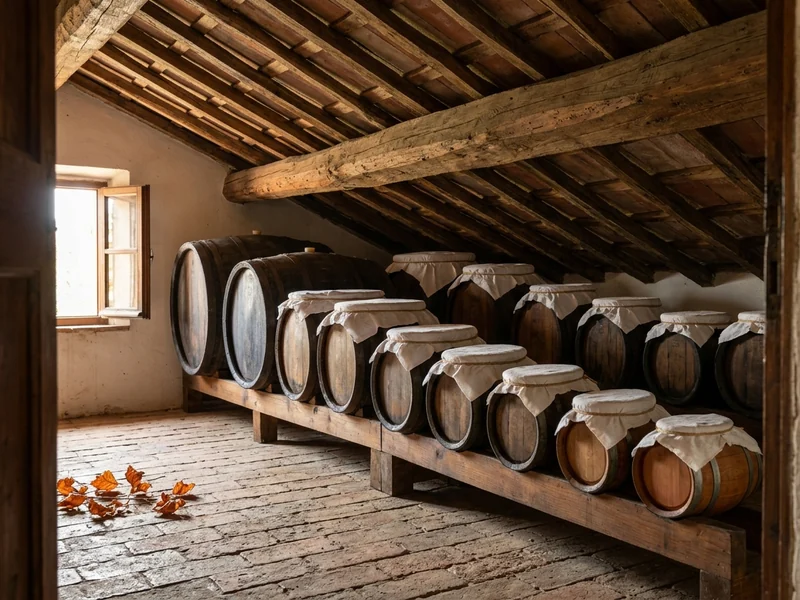
Two kinds of balsamic, two different things
Balsamic is where most visitors get confused, because two quite different products share the word. Aceto Balsamico Tradizionale di Modena DOP is made from cooked grape must alone, mainly Trebbiano and Lambrusco, and aged for at least 12 years in a battery of barrels of decreasing size, usually in the attic of a family house, where summer heat and winter cold move it along. Each year a little is drawn from the smallest barrel and each barrel is topped up from the next. Nothing is added, not even vinegar.
The Tradizionale is sold only in a small 100 ml bottle shaped like a ball on a square base, after a panel of tasters has approved it. A cream-colored cap means at least 12 years; a gold cap and the word “extravecchio” mean at least 25. Reggio Emilia makes its own Tradizionale DOP in a tulip-shaped bottle. It is thick, sweet and sharp at once, and you use it by the drop: on Parmigiano, strawberries, risotto or vanilla ice cream.
Aceto Balsamico di Modena IGP is the everyday version: cooked or concentrated must blended with wine vinegar and aged at least 60 days in wood, or three years if it says “invecchiato”. A good IGP is a fine salad vinegar, but it is a different product. A bottle that only says “glaze” or “condimento” falls outside both sets of rules.
Buying well and carrying it home
Buy cheese at a dairy or a good salumeria, where you can taste ages side by side, and ask for it vacuum-packed. Hard cheese travels well and keeps for weeks. A 100 ml bottle of Tradizionale fits in your carry-on; larger IGP bottles go in checked luggage, wrapped in clothes. For prosciutto, the honest advice is to eat it here: the rules on bringing pork products into the United States change with animal disease outbreaks, and they are strict at the moment. Check the USDA traveler pages before you pack any meat, and always declare food at customs.
On our Emilia-Romagna Food Tour we watch cheese being made at a dairy near Parma early in the morning, walk through a curing hall in Langhirano and taste balsamic of different ages in a family acetaia outside Modena. If you have a single day in Bologna, the Bologna Pasta Class and Market Walk starts in the shops of the Quadrilatero, where you can taste Parmigiano of different ages before making your own tagliatelle.
Questions about Parmigiano, Prosciutto di Parma and balsamic
Is Parmigiano Reggiano the same as Parmesan?
In the European Union, yes: only the DOP cheese may be called Parmesan. Elsewhere the word can mean any hard grating cheese.
How can I tell real traditional balsamic?
The label says Aceto Balsamico Tradizionale and DOP, it comes in a 100 ml bottle, and the only ingredient is cooked grape must.


