Drinks · Andalusia
Types of sherry from fino to Pedro Ximénez: the wines of Jerez
Outside Spain many people know sherry as the sweet bottle at the back of a cupboard. In Jerez it is a cold glass of fino with lunch. Here is everything in between.
By Lucía Romero, Host, Andalusia
· 4 min read
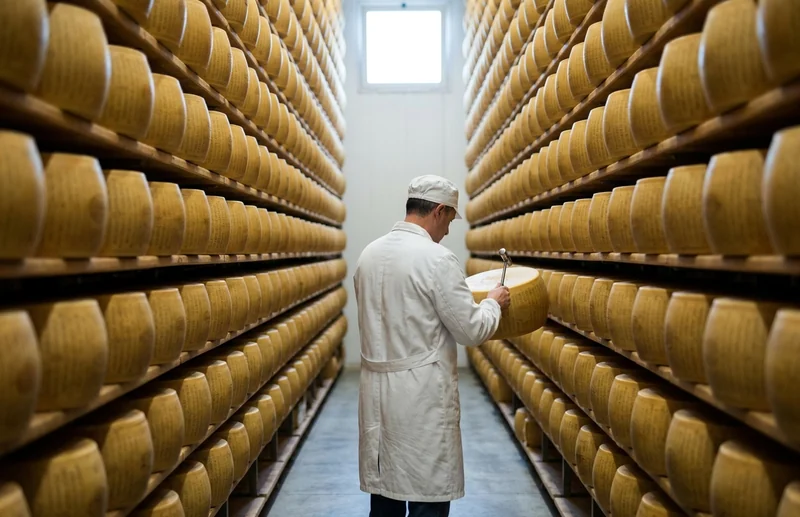
Fino from the cask, Jerez Photo: Forkful Field Trips, Original image
Sherry is the wine of one small corner of Andalusia, and it is made unlike any other wine. It can be bone dry or as sweet as syrup, pale as straw or dark as coffee, and nearly all of it starts from the same grape. I grew up in Triana and studied wine in Jerez, where it is poured at every bar, wedding and horse fair, and I still find new things in it every year.

One grape, one soil, three towns
Sherry can only be aged in the triangle formed by three towns: Jerez de la Frontera inland, Sanlúcar de Barrameda at the mouth of the Guadalquivir and El Puerto de Santa María on the Bay of Cádiz. Their bodegas, long aging halls with high ceilings and thick walls, are built to catch the damp breeze off the Atlantic. The vines grow on albariza, a bright white chalky soil that soaks up the winter rain and holds it through the dry summer.
The main grape is Palomino, a neutral white that makes a plain wine on its own. Everything interesting happens after fermentation. Two other grapes, Pedro Ximénez and Moscatel, are dried in the sun after picking and used for the sweet wines.
Flor and the solera
After fermentation the young wine goes into old American oak butts of about 600 liters, filled only five-sixths full. In the cool, humid bodegas a layer of yeast called flor grows on the surface, a pale cream-colored skin that protects the wine from air and feeds on it, giving it a salty, bready, almond taste. Wines aged under flor become fino and manzanilla. Wines fortified to around 17 percent, where flor cannot live, age in contact with air and become oloroso.
Then comes the solera, a system of rows of butts arranged by age. Wine for bottling is drawn from the oldest row, itself called the solera, which is topped up from the next row, the first criadera, and so on up to the youngest. No row is ever emptied, so every glass is a blend of many years, and a well-kept solera tastes the same from one decade to the next. That is why most sherry carries no vintage.
The styles, from driest to sweetest
- Fino: pale and dry, around 15 percent, aged under flor in Jerez or El Puerto. Serve it cold and finish an open bottle within a few days.
- Manzanilla: a fino aged in Sanlúcar, where the sea air keeps the flor thick. Lighter and saltier, with a hint of chamomile.
- Amontillado: begins as a fino, then the flor fades and it ages with air. Amber, dry and nutty, with the freshness of fino and the depth of oloroso.
- Palo cortado: a rarer wine that loses its flor early, with the nose of an amontillado and the body of an oloroso.
- Oloroso: aged with air from the start. Dark, dry and round, smelling of walnuts and old leather.
- Cream: oloroso sweetened with Pedro Ximénez, the style most export markets knew for a century.
- Pedro Ximénez: made from sun-dried grapes, almost black, thick and sweet, tasting of figs, raisins and coffee.
Remember that most sherry is dry. If you only know cream sherry, start with a cold manzanilla and see how far the family stretches.

What to eat with it
In Andalusia sherry is a food wine first. The rule of thumb is that pale wines go with the sea and darker wines with the land. Fino and manzanilla are the best partners there are for jamón ibérico, salted almonds, olives, fried fish from Cádiz and the prawns of Sanlúcar. Amontillado can handle what most wines cannot, such as artichokes, asparagus and a clear consommé. Oloroso goes with rabo de toro, the oxtail stew of Jerez and Córdoba, and with aged Manchego. Pedro Ximénez is poured over vanilla ice cream, or served with blue cheese, as a dessert in itself.
At the April Fair in Seville and the Feria del Caballo in Jerez in May, people drink rebujito: manzanilla topped up with lemon-lime soda and ice, served by the jug. Purists frown. Everyone drinks it anyway.
Visiting a bodega
Many of the big houses in Jerez and El Puerto open their bodegas to visitors, and smaller family bodegas will often do so by appointment. Walking between the stacked black butts, under ceilings tall enough to keep the air cool, you smell the wine before you see it. The cellar master draws a little wine with a venencia, a narrow cup on a long flexible rod, and pours it from above his head into a glass held at his waist without spilling a drop. It is harder than it looks, and you may be invited to try.
On our Andalusia Food Tour we spend time in Jerez visiting bodegas, then go down to Sanlúcar for manzanilla and fried fish by the river mouth and on to the central market in Cádiz. You taste every style on this page side by side, with food, and choose your own favorite. Sherry is poured for guests 18 and over, with mosto, the fresh juice of the same grapes, for anyone who prefers it.
Questions about sherry styles
Is sherry sweet?
Mostly not. Fino, manzanilla, amontillado, palo cortado and oloroso are dry; only cream, Moscatel and Pedro Ximénez are sweet.
Should sherry be served cold?
Fino and manzanilla well chilled, amontillado and oloroso cool, near cellar temperature, and Pedro Ximénez lightly chilled.